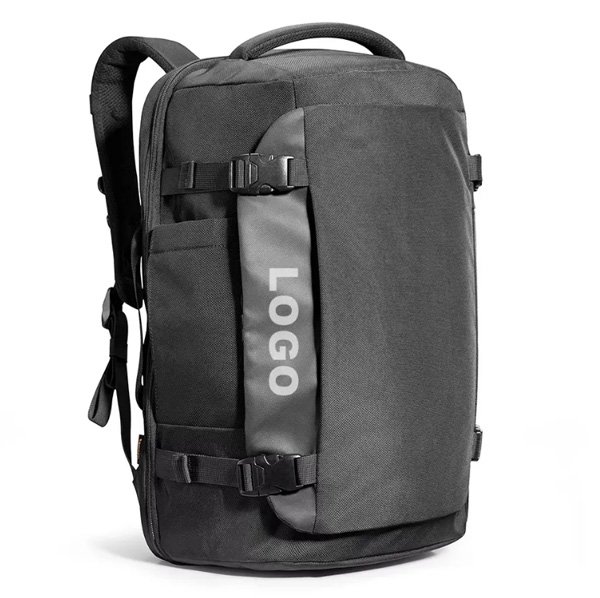
Average Backpack Size: My Simple Guide to Finding the Right One

When I first looked for a backpack, I was confused by all the sizes and numbers. What does “average backpack size” really mean? I tried different types and learned that the right size depends on what you use it for—work, school, travel, or hiking. In this guide, I’ll simply explain what each size means and help you choose the one that fits your daily needs best.
Part 1. What is the average backpack size in liters for everyday use?
The average backpack size for everyday use is around 20–30 liters. This range offers enough space for essentials like a laptop, notebooks, a water bottle, and small accessories without feeling bulky. A 20L pack suits light daily activities or commuting, while a 25–30L backpack is ideal for carrying extra items such as gym clothes or a lunch box. For most users, this balance of capacity and portability fits both work and casual needs.
Part 2. How many liters should a backpack be for travel carry-on?
Most airlines allow carry-on backpacks up to 40–45 liters, which fit under seat or overhead bins. A 35–40L backpack is perfect for short trips of 2–4 days, offering space for clothes, toiletries, and electronics while staying within carry-on limits. Always check your airline’s specific size policy (often around 22 x 14 x 9 inches or 55 x 35 x 22 cm) to avoid gate-checking larger packs.
Part 3. What backpack size is best for school (books, laptop)?
A 20–30L backpack is best for school or college use. It provides enough room for textbooks, notebooks, and a laptop up to 15 inches. Backpacks in this range typically have multiple compartments to organize stationery and personal items. For high school or college students carrying heavier loads or sports gear, a 28–32L bag offers extra flexibility without being oversized.
Part 4. How do backpack size (liters) relate to backpack dimensions (inches/cm)?
Backpack volume (liters) measures internal storage space, while dimensions show external size. For example, a 20L backpack typically measures around 18 x 12 x 6 inches (45 x 30 x 15 cm), while a 30L pack might be about 20 x 13 x 8 inches (50 x 33 x 20 cm). However, exact measurements vary by design and structure—slim backpacks can look smaller yet hold the same volume due to efficient internal layout.
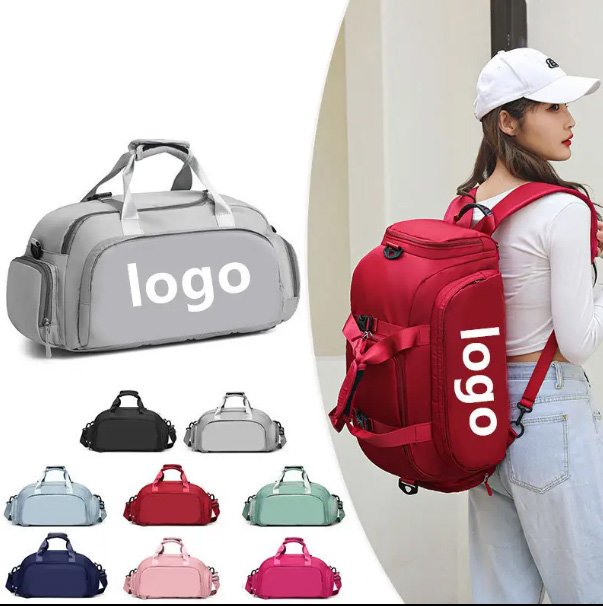
Part 5. What is considered a large size backpack in liters?
A large backpack generally starts around 40 liters or more. This size is designed for travel, hiking, or multi-day use. It can hold several outfits, shoes, and gear while still being manageable for carry-on travel if compactly designed. Anything above 50 liters is considered extra-large, suitable for extended trips or outdoor expeditions where you need to pack bulkier equipment.
Part 6. How many liters does a standard school backpack hold?
A standard school backpack typically holds 22–30 liters. This size comfortably fits books, folders, a 13–15-inch laptop, lunch, and small accessories. Younger students might prefer smaller 18–22L packs for light loads, while high school and college students often use 28–30L backpacks for more materials. It’s a practical size range for daily academic use and commuting.
Part 7. What is the best backpack size for hiking or overnight trips?
For day hikes, a 20–30L backpack is ideal, offering space for snacks, water, and a light jacket. For overnight or weekend hikes, go for 35–50 liters, depending on gear volume and season. Lightweight hikers can manage overnight trips with 35L packs, while campers needing sleeping bags and extra clothing may prefer 45–50L. Fit, comfort, and weight distribution matter more than sheer volume.
Part 8. How do I measure my torso to pick the right backpack size?
To measure your torso, find the bone at the base of your neck (C7 vertebra) and the top of your hip bones (iliac crest). Ask someone to measure the distance between these two points along your spine. Most adult torsos range from 15 to 21 inches (38–53 cm). Use this measurement to choose a backpack size—small, medium, or large—based on brand sizing charts to ensure proper fit and comfort.
Part 9. Are there typical size ranges for men vs. women backpacks?
Yes. While capacity in liters can be similar, the fit and proportions differ. Women’s backpacks usually have shorter torso lengths, narrower shoulder straps, and more contoured hip belts for comfort. Men’s packs often fit longer torsos and broader frames. For daily or travel use, both men and women can use 20–30L bags, but choosing a gender-specific fit improves comfort during long wear.
Part 10. What size backpack is allowed as a carry-on on airlines?
Most airlines permit carry-on bags up to 22 x 14 x 9 inches (55 x 35 x 22 cm), equivalent to about 40–45 liters. A 35–40L backpack fits comfortably in this range and is ideal for short trips or minimalist travel. Budget airlines sometimes have smaller limits, so always verify before flying. Soft-sided backpacks often fit better than rigid suitcases when space is tight in overhead bins.
Part 11. FAQs about Average Backpack Size
How many liters should a backpack be for a 3-day trip?
A 35–45L backpack is ideal for a 3-day trip. It offers enough room for clothes, toiletries, and a pair of shoes while remaining portable. Choose a compact, well-organized design if you plan to use it as a carry-on for air travel.
What size backpack is too big for daily commuting?
Anything over 35 liters is generally too large for daily commuting. Backpacks that size can feel bulky in tight spaces and are designed more for travel or hiking. For city use, 20–30L is the sweet spot for comfort and practicality.
How does backpack capacity affect comfort and fit?
Larger capacity doesn’t always mean better comfort. If a pack exceeds your needs, it adds unnecessary weight and bulk. The right fit depends on torso length, shoulder width, and load balance—choose a backpack that sits close to your back and distributes weight evenly across your hips and shoulders.
Is there an industry standard way brands calculate backpack liters?
Yes, most brands fill the backpack with small beads or blocks, then measure the total displaced volume in liters. However, methods can vary slightly between brands, so two 30L backpacks might not feel identical in usable space due to design and compartment layout.
What backpack size (liters) is recommended for a 15-inch laptop plus accessories?
A 22–28L backpack works best for carrying a 15-inch laptop, charger, mouse, and personal items. It offers enough padding for protection and space for daily essentials without being bulky. For extra storage, a 30L option adds room for books or gym gear.

 English
  Japanese